


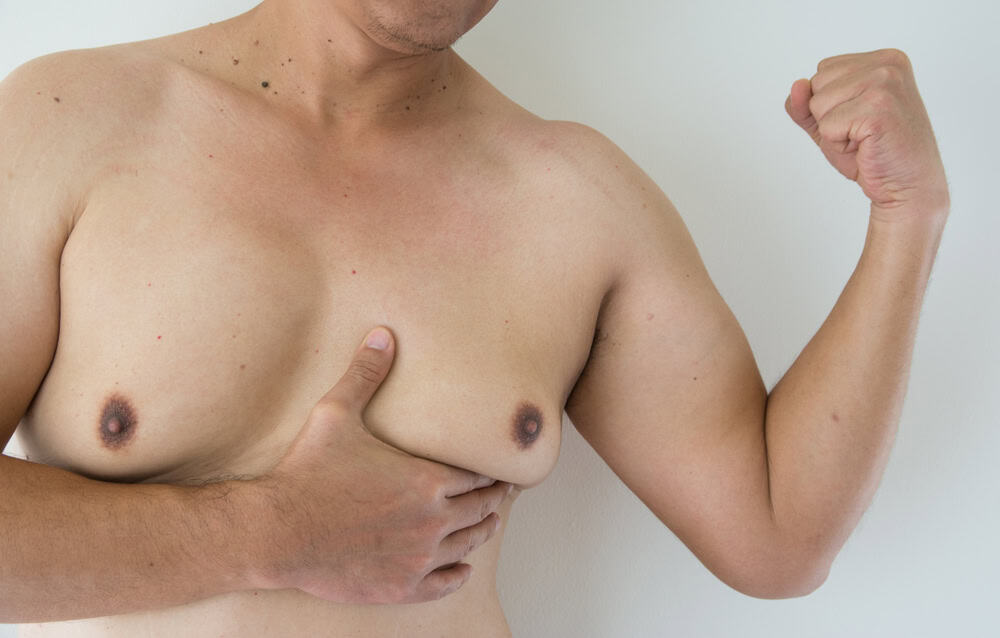
Male breast reduction can create a flatter, more defined chest by removing the excess glandular tissue and/or fat responsible for gynecomastia. If you’re considering surgery, however, you may wonder whether those results will last — or whether enlarged male breast tissue can eventually return. In most cases, surgical improvement can last, but several factors can influence your chest contour over time.
Board-certified plastic surgeon Dr. Rudy Coscia performs gynecomastia surgery in Sacramento, Granite Bay, and Coeur d’Alene with an individualized approach based on the underlying cause and your anatomy.
What Happens to the Tissue Removed During Surgery?
Gynecomastia can involve excess glandular breast tissue, excess fat, or a combination of both. Male breast reduction is tailored accordingly.
Liposuction may be used when fatty tissue contributes to chest fullness, while firmer glandular tissue may require surgical excision. Once tissue has been surgically removed, it does not simply grow back. However, changes elsewhere in the remaining tissue can later alter your chest appearance.
Can Weight Gain Change Your Results?
Male breast reduction isn’t a substitute for weight management. Fat cells remaining in your chest can enlarge if you gain significant weight, potentially creating renewed fullness.
Maintaining a relatively stable weight after surgery can therefore help preserve your new chest contours. Weight fluctuations may also affect the surrounding skin and overall proportions of your upper body.
Can Hormonal Changes Cause Gynecomastia Again?
Hormonal imbalances are one potential contributor to gynecomastia. If an underlying hormonal issue develops or persists after surgery, the remaining glandular tissue may enlarge.
This is one reason it’s important to identify potential contributing factors before surgery. Depending on your medical history and symptoms, further medical evaluation may sometimes be appropriate before proceeding with male breast reduction.
What About Medications and Other Substances?
Certain medications and substances can contribute to gynecomastia. If exposure to a contributing factor continues or begins after surgery, it may affect your long-term results.
Be open with Dr. Coscia about medications, supplements, and other relevant health information during your consultation. This helps him assess your candidacy and decide whether to address issues before surgery.
How Can You Protect Your Results?
Long-lasting gynecomastia results depend on more than the surgery itself. Maintaining a stable weight and addressing contributing medical or lifestyle factors can help preserve your chest contour.
As a board-certified plastic surgeon, Dr. Rudy Coscia evaluates the tissue contributing to your gynecomastia and develops a surgical plan based on your anatomy and goals. To learn more about male breast reduction, contact Dr. Coscia in Sacramento, Granite Bay, or Coeur d’Alene. Call the Sacramento area office at (916) 318-5826 or the Coeur d’Alene office at (208) 665-7546.


